- Essential Minimalist Wardrobe Checklist for Women
- Best Color Palette for a Minimalist Wardrobe
- How Many Clothes Should Be in a Capsule Wardrobe?
- Common Minimalist Wardrobe Mistakes to Avoid
- Minimalist Wardrobe Outfit Ideas
- Minimalist Wardrobes and Sustainable Fashion
- Minimalist Wardrobe Shopping Tips
- Is a Minimalist Wardrobe Right for You?
- Conclusion
- Frequently Asked Questions
Essential Minimalist Wardrobe Checklist for Women
One of the biggest questions women ask when building a capsule wardrobe is, “What pieces do I actually need?”
The answer depends on your lifestyle, but certain wardrobe essentials for women consistently prove their value because of their versatility. Think of these items as the foundation of your entire closet.
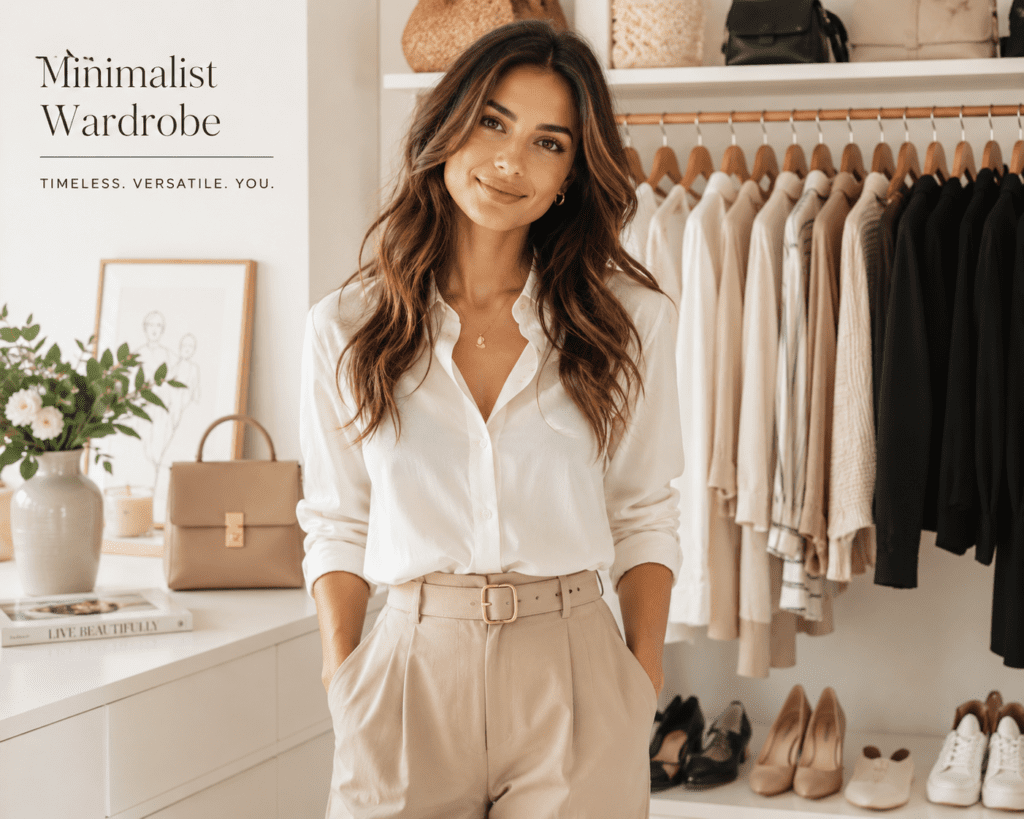
A well-rounded minimalist wardrobe for women often starts with high-quality tops. Neutral T-shirts, classic button-down shirts, lightweight knitwear, and simple tank tops provide endless layering possibilities. These pieces work with jeans, trousers, skirts, and even dresses, making them some of the hardest-working garments in any closet.
For bottoms, a pair of well-fitting straight-leg jeans can become a wardrobe hero. Tailored trousers add polish for work or formal occasions, while a midi skirt introduces variety without sacrificing versatility. The goal isn’t to own multiple versions of the same item but to select pieces that serve different purposes.
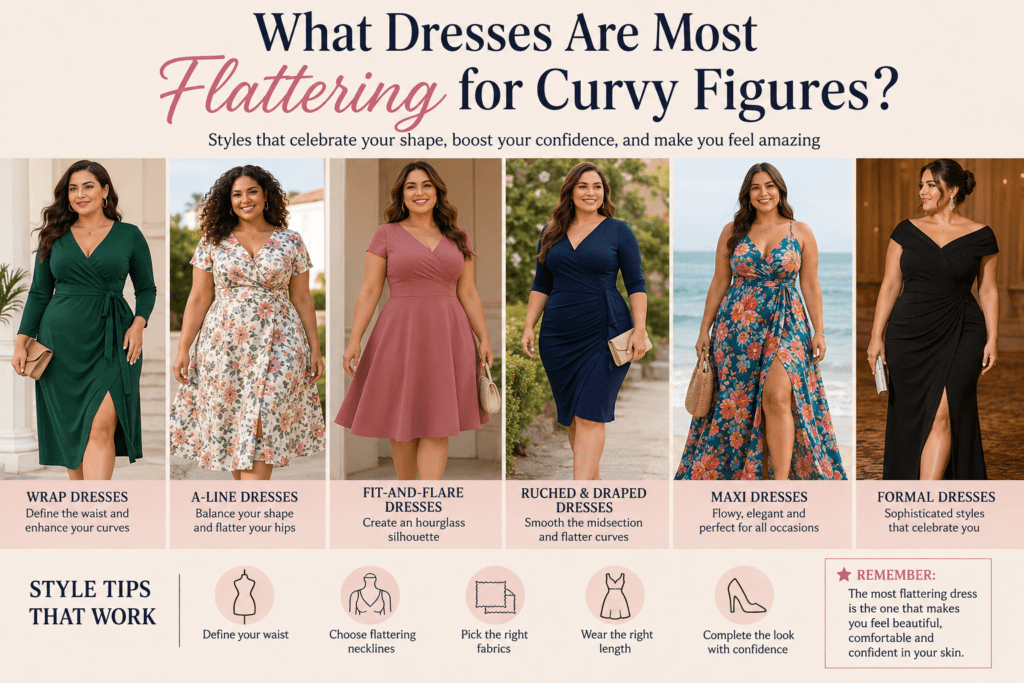
Dresses also play an important role in a women’s capsule wardrobe checklist. A classic little black dress remains one of fashion’s most versatile investments. A wrap dress flatters many body types and transitions easily from day to evening, while a comfortable casual dress offers an effortless option for weekends and travel.
Outerwear deserves special attention because it often makes the first impression. A tailored blazer instantly elevates casual outfits. A trench coat remains timeless year after year, while a quality wool coat can serve you through multiple winters. Depending on your climate, a denim jacket may also become one of your most frequently worn pieces.
Footwear should balance comfort and style. White sneakers, ankle boots, ballet flats, and classic heels can cover most situations without overcrowding your shoe collection. When chosen carefully, these shoes complement nearly every outfit in your wardrobe.
Accessories complete the picture. A structured handbag, simple leather belt, delicate jewelry, and a neutral scarf add personality while maintaining the clean aesthetic that defines minimalist fashion.
Best Color Palette for a Minimalist Wardrobe
Color is one of the most powerful tools in wardrobe building. The right palette can transform a collection of individual garments into a cohesive, functional closet.
Most successful minimalist wardrobes rely on a foundation of neutral colors. Black, white, gray, navy, beige, cream, and camel remain popular because they pair effortlessly with one another. These shades never feel outdated and allow for maximum outfit flexibility.
Imagine opening your closet and knowing almost every top works with almost every bottom. That’s the advantage of a thoughtfully selected color palette.
However, embracing minimalist fashion doesn’t mean eliminating color entirely. Many women incorporate accent shades that reflect their personality. Burgundy adds sophistication, olive green introduces depth, dusty blue feels calm and elegant, and soft blush tones provide warmth without overwhelming the wardrobe.
The key is consistency. Rather than purchasing garments in random colors, choose a few complementary accent shades and build around them. This approach creates visual harmony while still allowing your wardrobe to feel personal and expressive.
How Many Clothes Should Be in a Capsule Wardrobe?
One of the most common questions about capsule wardrobes is how many pieces are ideal.
The truth is there isn’t a universal number.
Some women thrive with a highly streamlined 25-piece capsule wardrobe. Others prefer a more flexible collection of 40 to 60 items that accommodates changing seasons, professional obligations, and personal preferences.
The focus should never be on reaching a specific number. Instead, focus on functionality. If every piece serves a purpose and contributes to outfit creation, your wardrobe is working effectively regardless of its size.
For beginners, many experts recommend starting with approximately 35 to 50 carefully selected pieces, excluding workout clothes, undergarments, and special-occasion garments. This range provides enough variety while still encouraging intentional dressing.
Remember, the ultimate goal isn’t minimalism for its own sake. The goal is creating a wardrobe that simplifies your life.
Common Minimalist Wardrobe Mistakes to Avoid
Many women become excited about the idea of a minimalist closet and rush into the process. Unfortunately, this enthusiasm can sometimes lead to mistakes.
One common error is decluttering too aggressively. In an effort to embrace minimalism, some women donate large portions of their wardrobe only to realize later that they still needed many of those pieces. A gradual approach is usually more successful.
Another mistake involves copying someone else’s capsule wardrobe. Social media is filled with beautifully curated closets, but what works for one person may not work for another. A corporate professional in New York will have different clothing needs than a freelancer working from home in a warm climate.
Many beginners also fall into the trap of buying cheap basics repeatedly. While affordable clothing can be appealing, constantly replacing low-quality garments often costs more in the long run. Investing in durable, well-made pieces typically provides better value.
Ignoring personal style is another common issue. Some women mistakenly believe minimalist fashion requires a specific aesthetic. In reality, minimalism should enhance your individuality, not erase it. Whether you prefer feminine dresses, tailored silhouettes, or relaxed casualwear, your wardrobe should reflect who you are.
Perhaps the biggest mistake is prioritizing trends over timelessness. Trend-driven purchases often lose their appeal quickly, whereas classic wardrobe essentials remain useful for years.
Minimalist Wardrobe Outfit Ideas
One of the greatest advantages of a minimalist wardrobe for women is how effortlessly outfits come together.
Imagine starting a busy workday with a crisp white button-down shirt, tailored black trousers, and a structured blazer. The look feels polished, professional, and timeless without requiring excessive effort.
For weekends, a neutral T-shirt paired with straight-leg jeans and white sneakers creates an outfit that feels comfortable yet put-together. Add a denim jacket, and you’re ready for errands, lunch with friends, or casual travel.
Date nights become equally simple. A wrap dress, ankle boots, and understated jewelry create an elegant appearance without appearing overly formal. Because each piece coordinates with multiple items in your wardrobe, you’ll never feel limited by your clothing choices.
Travel is where capsule wardrobes truly shine. A small selection of interchangeable garments can create numerous outfit combinations, allowing you to pack lighter while maintaining style. Instead of bringing a separate outfit for every occasion, you bring pieces that work together effortlessly.
During colder months, layering becomes an essential skill. A fine-knit sweater under a tailored coat, paired with classic trousers and boots, demonstrates how minimalist fashion can feel sophisticated and practical at the same time.
Minimalist Wardrobes and Sustainable Fashion
The relationship between minimalist wardrobes and sustainable fashion is one of the primary reasons this movement continues growing.
Fast fashion has encouraged consumers to view clothing as disposable. Trends change rapidly, garments wear out quickly, and closets become crowded with items that are rarely worn.
Minimalism challenges this cycle.
By focusing on quality over quantity fashion, women become more intentional shoppers. They purchase fewer items, but those items tend to last longer and receive significantly more wear.
Fabric choice also matters. Natural fibers such as cotton, linen, wool, and cashmere often provide superior durability and comfort. When properly cared for, these materials can remain wardrobe staples for many years.
Sustainability isn’t simply about buying eco-friendly clothing. It’s about changing our relationship with consumption. Every thoughtful purchase reduces waste, conserves resources, and encourages a more responsible fashion industry.
A sustainable fashion wardrobe ultimately benefits both the individual and the environment.
Minimalist Wardrobe Shopping Tips
Building a minimalist wardrobe doesn’t mean you stop shopping entirely. Instead, it means shopping with greater intention.
Before purchasing any new item, ask yourself a simple question: Can I wear this with at least three to five pieces already in my wardrobe? If the answer is no, reconsider the purchase.
Another valuable strategy involves evaluating cost per wear. A high-quality blazer may seem expensive initially, but if you wear it hundreds of times over several years, the actual cost per wear becomes remarkably low.
Pay attention to fabric composition, stitching quality, fit, and garment construction. These factors often determine whether a piece remains a wardrobe favorite or becomes another forgotten purchase.
Many women also benefit from implementing a waiting period before making non-essential purchases. Waiting even a few days helps distinguish genuine wardrobe needs from impulse desires.
The result is a closet filled with items you genuinely love rather than garments purchased on a whim.
Is a Minimalist Wardrobe Right for You?
Not every woman wants an ultra-minimal closet, and that’s perfectly okay.
However, if you frequently feel overwhelmed by your wardrobe, struggle with outfit decisions, spend money on clothes you rarely wear, or desire a more sustainable approach to fashion, minimalist dressing may be worth exploring.
The beauty of minimalism lies in its flexibility. You can adopt the principles without following strict rules. Some women embrace a traditional capsule wardrobe, while others simply become more intentional about what they buy and wear.
There is no perfect formula.
The best minimalist wardrobe for women is the one that supports your lifestyle, reflects your personality, and makes you feel confident every day.
Conclusion
A minimalist wardrobe for women is about far more than reducing the number of clothes you own. It is about creating clarity, confidence, and simplicity in your daily life.
By focusing on timeless wardrobe basics, building a thoughtful capsule wardrobe, choosing versatile colors, and embracing quality over quantity fashion, you can transform your closet into a collection that genuinely works for you.
The most stylish women are not necessarily those with the largest wardrobes. They are often the women who understand exactly what suits them and have intentionally built a closet around those choices.
In a world driven by constant consumption and rapidly changing trends, minimalist fashion offers something refreshingly different: a wardrobe that feels effortless, functional, and timeless.
Frequently Asked Questions
What is a minimalist wardrobe?
A minimalist wardrobe is a curated collection of versatile clothing designed to maximize outfit combinations while eliminating unnecessary items. Every piece serves a purpose and aligns with your lifestyle.
What is the difference between a capsule wardrobe and a minimalist wardrobe?
A capsule wardrobe typically refers to a smaller collection of interchangeable clothing pieces, while a minimalist wardrobe is a broader philosophy focused on intentional ownership and versatility.
How many pieces should a capsule wardrobe contain?
There is no universal rule. Most capsule wardrobes contain between 25 and 50 pieces, depending on lifestyle, climate, and personal preferences.
Can a minimalist wardrobe include color?
Absolutely. While neutral colors provide versatility, accent shades such as burgundy, olive green, dusty blue, and blush can add personality and visual interest.
What are the best wardrobe essentials for women?
Some of the most versatile essentials include a white button-down shirt, straight-leg jeans, tailored trousers, a blazer, a trench coat, a little black dress, white sneakers, and ankle boots.
Is minimalist fashion still popular in 2026?
Yes. Minimalist fashion continues to grow as more women embrace sustainability, intentional shopping, timeless style, and simplified daily routines.
How can I start building a minimalist closet?
Begin by decluttering your existing wardrobe, identifying your lifestyle needs, selecting a cohesive color palette, and investing in versatile, high-quality wardrobe basics.
Does a minimalist wardrobe save money?
In most cases, yes. By reducing impulse purchases and focusing on quality garments that last longer, women often spend less money over time while creating a more functional wardrobe.