Walking into the office feeling confident starts long before your first meeting of the day. What you wear has a direct impact on how you present yourself, how colleagues perceive you, and often how confident you feel throughout the workday. While pantsuits and tailored separates have long been staples of professional wardrobes, dresses remain one of the easiest and most sophisticated ways to create a polished office-ready outfit.
Many women wonder how to wear a formal dress in office settings without looking overdressed, underdressed, or out of place. The good news is that formal office dresses are incredibly versatile when styled correctly. Whether you work in a corporate environment, a business casual workplace, or a modern creative office, the right dress can help you look professional while expressing your personal style.
In this guide, you’ll learn How to Wear Formal Dress in Office, style them professionally, select the best accessories, and build a work wardrobe that feels both polished and practical.
- What Is Considered a Formal Dress for Office Wear?
- How to Wear a Formal Dress in Office Without Looking Overdressed
- Best Formal Dress Styles for Work
- Best Colors for Formal Office Dresses
- How to Style a Formal Office Dress Professionally
- Formal Office Outfit Ideas for Different Workplace Settings
- How to Wear Formal Dresses Throughout the Year
- Common Mistakes Women Make When Wearing Formal Dresses to Work
- Celebrity-Inspired Professional Office Style
- Building a Professional Office Wardrobe Around Dresses
- Conclusion
- FAQs
What Is Considered a Formal Dress for Office Wear?
Not every dress belongs in the workplace. A formal office dress should strike a balance between professionalism, comfort, and style.
Generally, office-appropriate dresses feature modest necklines, structured silhouettes, quality fabrics, and hemlines that fall around the knee or below. The goal is to create a professional appearance while remaining comfortable throughout a busy workday.
Understanding your workplace dress code is equally important. Business formal environments typically require more structured and conservative attire, while business casual offices allow slightly more flexibility in colors, fabrics, and styling.
Professional dressing is not about following rigid fashion rules. Instead, it’s about choosing pieces that communicate confidence, competence, and attention to detail.
Understanding Workplace Dress Codes
Corporate offices often expect traditional business attire, including sheath dresses, tailored midi dresses, and structured blazers.
Business casual workplaces may allow softer silhouettes, wrap dresses, and shirt dresses paired with loafers or flats.
Creative industries generally encourage more individuality, allowing professionals to experiment with color, texture, and modern styling while maintaining workplace appropriateness.
Why Formal Dresses Create a Professional Appearance
A well-fitted dress instantly creates a streamlined silhouette that looks polished and intentional. Unlike assembling multiple separates, a dress provides a complete outfit foundation, making it easier to look put together with minimal effort.
How to Wear a Formal Dress in Office Without Looking Overdressed
One of the biggest concerns women have is appearing too formal compared to coworkers. The secret lies in balancing professionalism with practicality.
A structured midi dress may feel elegant, but pairing it with approachable accessories helps maintain a workplace-friendly look. Instead of statement jewelry or dramatic heels, opt for understated pieces that complement rather than dominate your outfit.
Think of your dress as the foundation of your office wardrobe. The way you style it determines whether it feels appropriate for a boardroom presentation or a formal evening event.
Choosing the Right Dress for Your Workplace
Consider your daily responsibilities. If you frequently meet clients or attend executive meetings, tailored dresses in classic colors work best.
If your workplace has a relaxed atmosphere, softer fabrics and modern silhouettes may feel more appropriate while still maintaining professionalism.
Dressing for Different Industries
Financial, legal, and corporate sectors often favor structured dresses and classic color palettes.
Marketing, media, fashion, and creative industries generally allow more flexibility, enabling professionals to incorporate modern trends and colors into their office wardrobe.
Best Formal Dress Styles for Work
Choosing the right dress style can make office dressing significantly easier.
Midi Dresses for Professional Elegance
Midi dresses remain one of the most universally flattering and office-appropriate choices. Their longer length provides professionalism while maintaining a sophisticated appearance.
A well-tailored midi dress can transition seamlessly from meetings to networking events, making it an excellent investment piece.
Shirt Dresses for Everyday Office Wear
Shirt dresses combine comfort and professionalism. Their structured design naturally feels workplace appropriate and pairs beautifully with loafers, flats, or low heels.
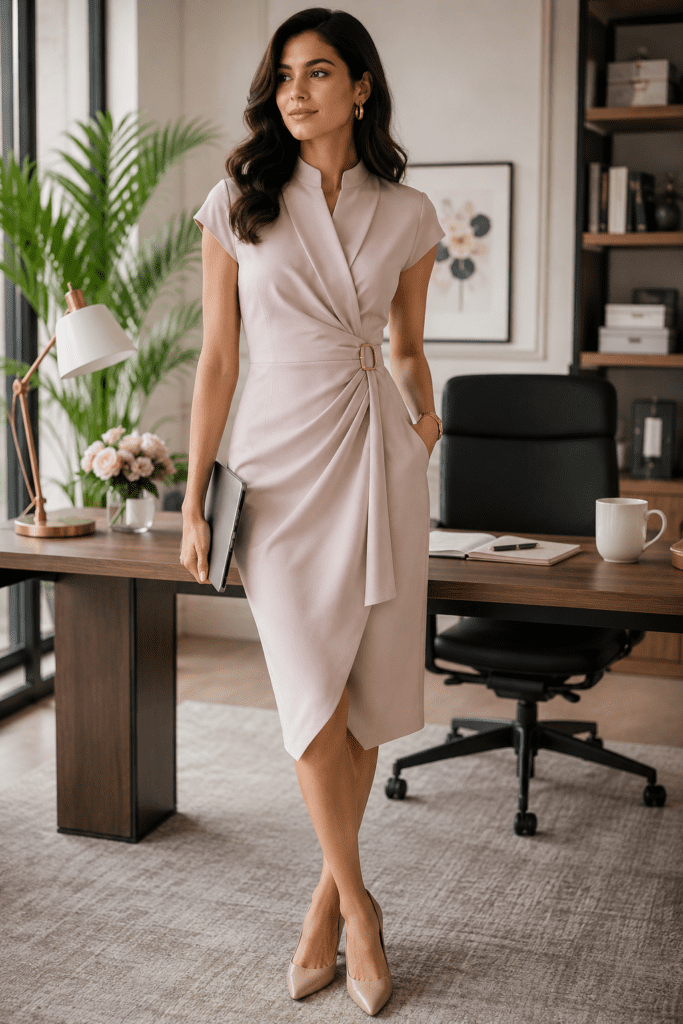
Wrap Dresses for Business Casual Offices
Wrap dresses continue to be popular because they flatter various body types while maintaining an elegant silhouette.
They work especially well in business casual environments where comfort and style are equally important.
Structured Sheath Dresses for Corporate Settings
For women working in formal corporate offices, sheath dresses remain a timeless option. Their clean lines and tailored fit communicate professionalism and confidence.
Best Colors for Formal Office Dresses
Color plays a major role in professional styling.
Neutral shades such as black, navy, charcoal, and beige remain classics because they project authority and sophistication. However, modern office fashion has expanded beyond these traditional options.
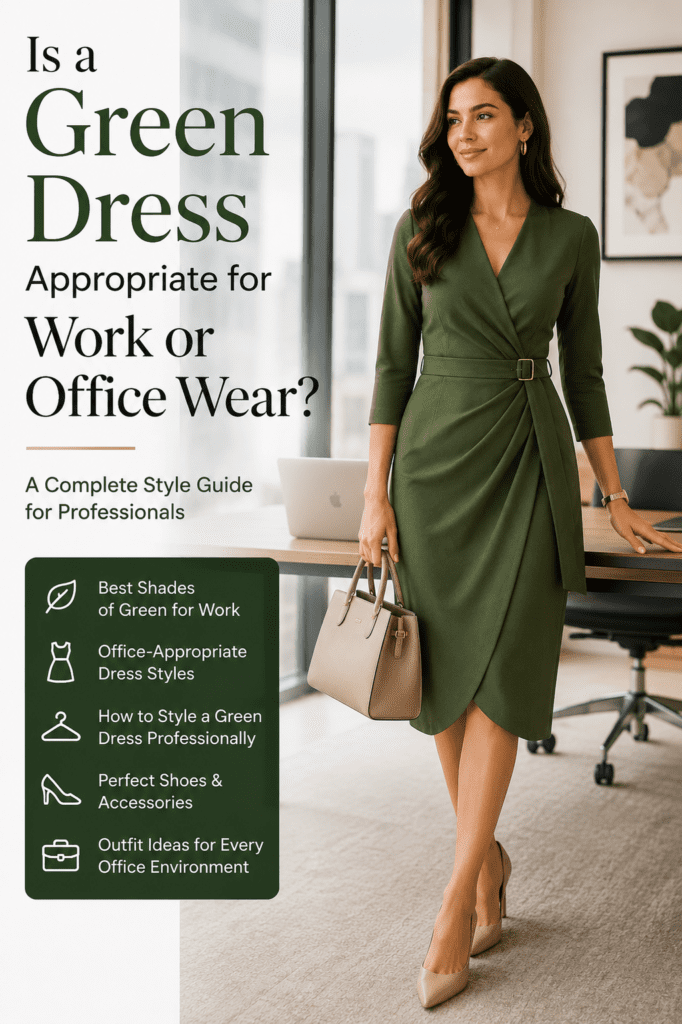
Can You Wear Green Dresses to Work?
Absolutely. Green has become increasingly popular in professional wardrobes because it offers personality without sacrificing professionalism.
Sage green, olive green, forest green, and emerald green all work beautifully in office settings. These shades feel sophisticated and modern while remaining workplace appropriate.
Trending Professional Colors
Muted earth tones, soft blues, rich burgundy shades, and elegant greens continue to dominate workplace fashion trends. These colors provide visual interest while maintaining a polished appearance.
How to Style a Formal Office Dress Professionally
Styling transforms a simple dress into a complete professional outfit.
Pairing a Dress with Blazers
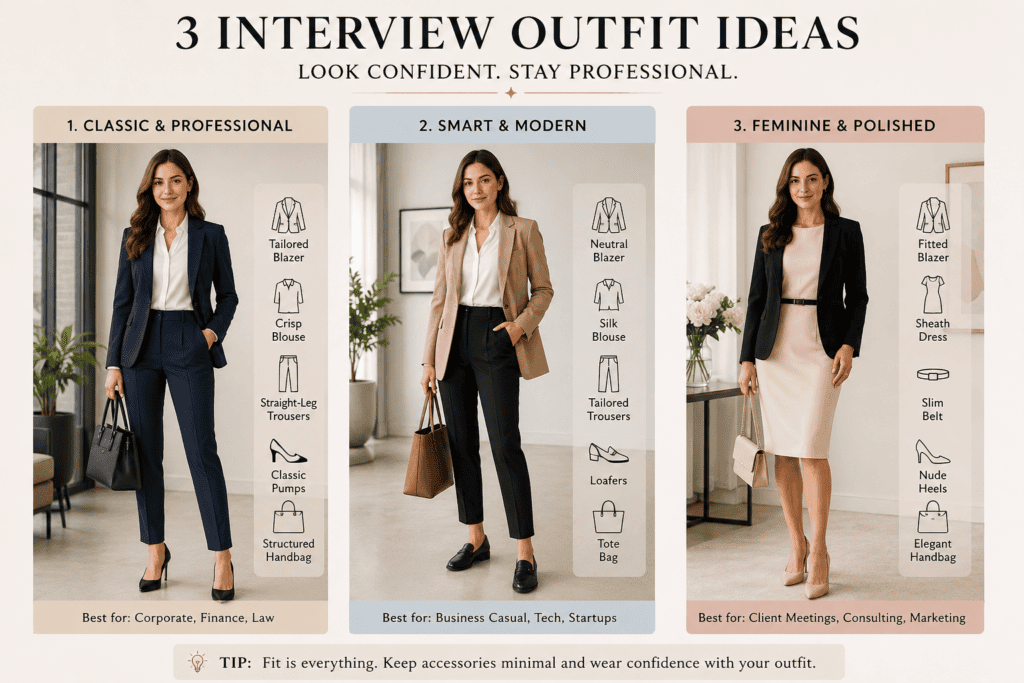
A blazer instantly elevates any office dress. Neutral blazers in black, navy, cream, gray, or camel create a polished and authoritative appearance.
The combination of a tailored blazer and a formal dress remains one of the most effective professional outfit formulas.
Choosing Office-Appropriate Shoes
Your footwear should complement your dress while supporting comfort throughout the day.
Classic pumps remain a workplace favorite, but loafers, ballet flats, and block heels are equally professional options.
Many women now prioritize comfort without sacrificing style, making elegant loafers and low block heels increasingly popular choices.
Minimal Accessories That Elevate Office Outfits
When it comes to office fashion, less is often more.
Simple jewelry, a structured handbag, and a classic watch can elevate your outfit without appearing distracting. These subtle details help create a refined and professional image.
Formal Office Outfit Ideas for Different Workplace Settings
Corporate Office Outfit
A navy sheath dress paired with a tailored blazer, leather tote, and classic pumps creates a timeless professional look suitable for executive environments.
Business Casual Office Outfit
A wrap midi dress paired with loafers and delicate jewelry strikes the perfect balance between comfort and professionalism.
Executive Dressing for Women
For leadership positions, structured dresses in premium fabrics create authority while maintaining elegance. Tailoring becomes especially important at this level.
Professional Networking Events
Choose dresses that transition easily from office hours to after-work events. Midi dresses paired with sophisticated accessories often provide the perfect solution.
How to Wear Formal Dresses Throughout the Year
One of the greatest advantages of dresses is their versatility across seasons.
Spring Office Outfits
Lightweight fabrics and soft colors create fresh, professional looks perfect for warmer weather.
Summer Formal Office Dresses
Breathable fabrics such as cotton blends, linen, and lightweight crepe help maintain comfort while preserving professionalism.
Fall Office Styling
Layering becomes essential during autumn. Blazers, trench coats, and ankle boots pair beautifully with formal dresses.
Winter Office Dress Outfits
Darker colors, structured coats, tights, and elegant boots create polished cold-weather office ensembles.
Common Mistakes Women Make When Wearing Formal Dresses to Work
Even the most beautiful dress can feel inappropriate if styled incorrectly.
One common mistake is choosing dresses that are too casual for the workplace. Extremely relaxed fabrics, overly short hemlines, or revealing necklines may undermine a professional appearance.
Another mistake is over-accessorizing. Statement jewelry, oversized bags, and bold accessories can distract from an otherwise polished outfit.
Ignoring workplace culture is another frequent issue. Always consider your organization’s expectations when selecting office attire.
Celebrity-Inspired Professional Office Style
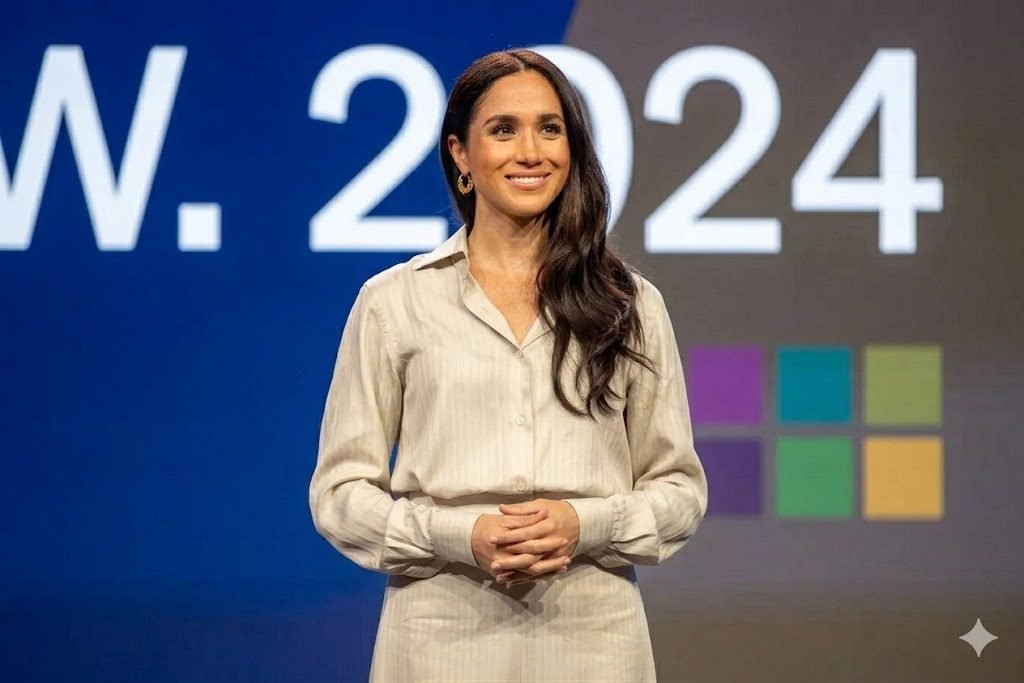
Many women draw inspiration from public figures known for polished professional fashion.
Meghan Markle often embraces clean lines, neutral palettes, and elegant tailoring that translate beautifully into office wear.
Amal Clooney is known for sophisticated dresses paired with structured outerwear, demonstrating how feminine silhouettes can still project authority.
Victoria Beckham’s minimalist approach to fashion showcases how simplicity often creates the most powerful professional looks.
The common thread among these style icons is intentionality. Every piece serves a purpose, creating a cohesive and confident appearance.
Building a Professional Office Wardrobe Around Dresses
A strong work wardrobe doesn’t require dozens of dresses. Instead, focus on versatile pieces that can be styled in multiple ways.
Start with classic colors and timeless silhouettes. Add blazers, cardigans, professional footwear, and structured handbags that complement multiple outfits.
Building a capsule office wardrobe around dresses simplifies daily decision-making while ensuring you always have appropriate options for meetings, presentations, and networking events.
Quality matters more than quantity. Investing in well-made dresses that fit properly will always outperform a closet filled with trend-driven pieces that quickly go out of style.
Conclusion
Learning how to wear formal dress in office environments is less about following strict fashion rules and more about understanding balance. The right dress should feel professional, comfortable, and authentic to your personal style.
Whether you prefer classic sheath dresses, elegant midi dresses, or versatile wrap styles, professional dressing becomes easier when you focus on fit, quality, and thoughtful styling. By pairing office-appropriate dresses with structured layers, polished footwear, and refined accessories, you can create outfits that project confidence and professionalism every day.
A well-chosen formal dress is more than just clothing. It is a wardrobe investment that helps you look polished, feel confident, and make a strong impression throughout your career.
FAQs
What is considered a formal dress for office wear?
A formal office dress typically features a professional silhouette, modest neckline, quality fabric, and an appropriate hemline that aligns with workplace dress codes.
Can I wear a dress to a corporate office?
Yes. Structured dresses such as sheath, midi, and tailored wrap dresses are widely accepted in corporate environments.
How do I look professional in a dress?
Focus on proper fit, quality fabrics, conservative styling, and polished accessories. Adding a blazer can instantly make a dress look more professional.
Are midi dresses professional for work?
Absolutely. Midi dresses are one of the most versatile and workplace-appropriate dress styles available.
Can you wear sleeveless dresses to work?
In many workplaces, yes. However, layering with a blazer or cardigan often creates a more professional appearance.
What shoes should I wear with a formal office dress?
Classic pumps, loafers, ballet flats, and block heels are all excellent options depending on your workplace dress code and comfort preferences.
Can you wear a green dress to work?
Yes. Sage green, olive green, forest green, and emerald green are sophisticated choices that work beautifully in professional settings.